Software dictates the mechanics of modern civilization. From the microcode governing simple household appliances to the massive distributed systems managing global financial markets, software is the invisible engine driving automated logic. At its core, software is a structured sequence of instructions that directs physical hardware to perform specific calculations, store data, and interface with the physical world. Understanding software requires analyzing its structural classifications, the rigorous lifecycle of its development, and the paradigm shifts reshaping how code is written and executed.
The Core Classifications of Software Systems
To understand how software interacts with hardware, it can be broadly divided into distinct operational layers. Each layer serves a specific purpose, abstracting the complexity of the hardware beneath it.
System Software
System software acts as the intermediary between computer hardware and user-facing applications. The most fundamental type of system software is the operating system, such as Microsoft Windows, macOS, or Linux. The operating system manages hardware resources, including the central processing unit, system memory, and peripheral devices.
Beyond operating systems, system software includes device drivers, which translate generic operating system commands into the specific language a piece of hardware understands, and utility programs that perform diagnostic, optimization, and maintenance tasks.
Application Software
Application software is designed directly for end users to accomplish specific tasks. This category is vast, spanning everyday tools like web browsers, word processors, and email clients, as well as complex enterprise resource planning systems and sophisticated graphic design suites. Application software relies on the underlying system software to access hardware resources, allowing developers to focus on user experience and specific domain logic rather than low-level hardware management.
Programming Software
Programming software consists of the tools developers use to write, test, debug, and maintain other programs. This includes source code editors, compilers that translate human-readable code into machine-executable binary, debuggers for identifying logical errors, and integrated development environments that combine these utilities into a single interface.
The Software Development Lifecycle
Creating robust, scalable software is an engineering discipline governed by a structured methodology known as the Software Development Lifecycle. This lifecycle ensures that applications meet technical requirements, remain maintainable, and minimize bugs.
Requirements Gathering and Analysis
Before a single line of code is written, engineers and product managers must define the scope and objectives of the project. This phase involves identifying user needs, hardware constraints, security requirements, and performance benchmarks. The output of this phase is a comprehensive design document that serves as the blueprint for the entire development team.
System Architecture and Design
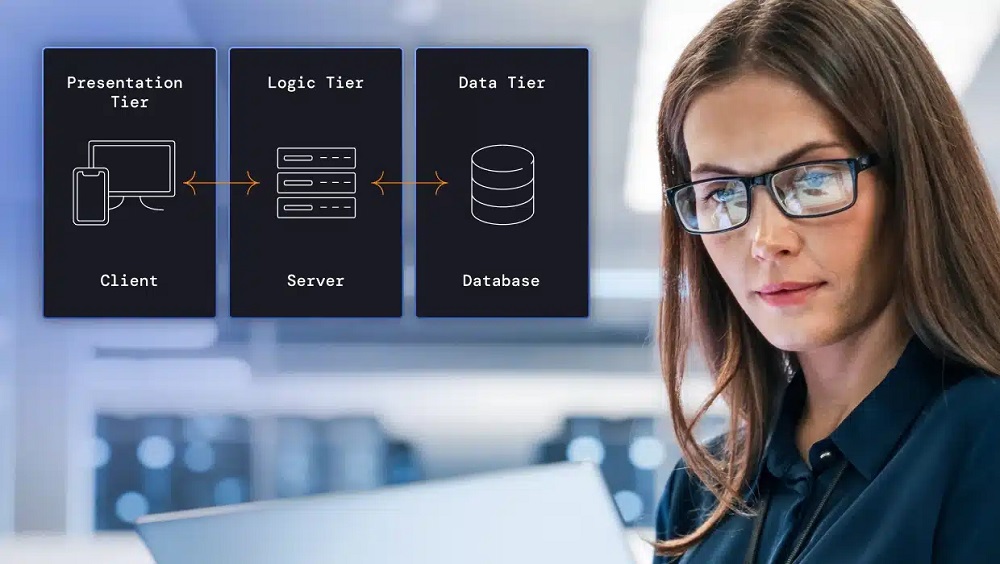
During the design phase, software architects determine the internal structure of the application. Decisions made here include choosing the appropriate programming languages, selecting database management systems, and defining how different software components will communicate.
Engineers frequently utilize design patterns, which are standardized solutions to recurring software engineering problems, to ensure the code remains modular and extensible.
Implementation and Coding
This is the phase where developers write the actual source code based on the established design specifications. Code is typically written in high-level programming languages like Python, Java, C++, or TypeScript.
Modern software development emphasizes collaborative practices, such as code reviews, where developers examine each other code to catch defects early and maintain consistent styling standards.
Testing and Quality Assurance
Once software components are compiled, they undergo extensive testing to ensure correctness and stability. Testing is performed at multiple granular levels:
-
Unit Testing: Validating that individual functions or components work correctly in isolation.
-
Integration Testing: Ensuring that different modules or external services interact seamlessly when combined.
-
System Testing: Evaluating the entire software application as a whole against the initial requirements.
-
User Acceptance Testing: Testing the software in real-world scenarios to confirm it meets user expectations.
Deployment and Maintenance
After passing quality assurance, the software is deployed to production environments where users can access it. However, the lifecycle does not end at deployment. Continuous maintenance is required to fix newly discovered bugs, patch security vulnerabilities, optimize performance, and introduce new features over time.
Paradigms of Modern Software Engineering
The methodologies used to build and deliver software have shifted dramatically to accommodate the need for rapid deployment and high availability.
Agile Development vs traditional Waterfall Models
Historically, software development followed the Waterfall model, a linear approach where each phase of the lifecycle had to be completed before the next could begin. While structured, this model was rigid and often led to project failures if requirements shifted mid-development.
Today, most software teams utilize Agile methodologies. Agile emphasizes iterative development, breaking projects into short cycles called sprints. This allows teams to deliver working software continuously, gather immediate user feedback, and adapt to changing market requirements rapidly.
DevOps and Automated Pipelines
The rise of DevOps has bridged the traditional gap between software developers and IT operations teams. DevOps cultures utilize continuous integration and continuous deployment pipelines. When a developer submits new code, automated systems immediately build the software, run test suites, and deploy the update to production servers if all checks pass. This automation drastically reduces human error and shortens deployment cycles from months to minutes.
Cloud-Native and Microservices Architecture
Modern web-scale software has shifted away from monolithic architecture, where an entire application is built as a single, massive codebase. Instead, engineers favor microservices architecture.
In a microservices model, an application is broken down into a collection of small, independent services that communicate via lightweight network protocols. Each service can be developed, deployed, and scaled independently, which improves system fault tolerance and allows organizations to manage immense traffic loads efficiently.
Frequently Asked Questions
What is the difference between open-source and proprietary software?
Open-source software makes its underlying source code publicly available, allowing anyone to view, modify, and distribute it freely under specific licenses. Examples include Linux and the Python programming language. Proprietary software is closely guarded by its owners, and users buy a license to use the compiled application but cannot access, modify, or view the internal source code.
How does a computer execute software written in high-level code?
Computers cannot understand high-level programming languages directly; they only process binary machine code consisting of ones and zeros. High-level code must be converted into machine language either by a compiler, which translates the entire program into an executable file before running, or by an interpreter, which translates and executes the code line by line in real time.
What is technical debt in software development?
Technical debt is a conceptual term representing the implied cost of additional rework caused by choosing an easy or fast software solution now instead of using a better, more scalable engineering approach that takes longer. Like financial debt, if technical debt is not repaid by refactoring the code later, it accumulates interest, making future development slower and more error-prone.
What is the purpose of software version control systems?
Version control systems track every modification made to a source code repository over time. If a developer introduces a bug, they can easily revert to a previous, stable version of the codebase. Version control also allows multiple developers to work on the same project simultaneously without overwriting each other work by managing independent branches of code and merging them systematically.
What is the difference between asynchronous and synchronous software execution?
In synchronous execution, tasks are performed sequentially, meaning a program must wait for one operation to complete before moving to the next line of code. In asynchronous execution, a program can initiate a time-consuming task, such as fetching data from a remote server, and immediately move on to execute other operations while waiting for the initial task to complete in the background.
How do software APIs function?
An Application Programming Interface defines a set of rules and protocols that allow different software systems to communicate with one another safely. It exposes specific functions and endpoints to external programs while hiding the internal logic of the system, enabling developers to integrate third-party services like payment processing or map tracking into their own applications.
