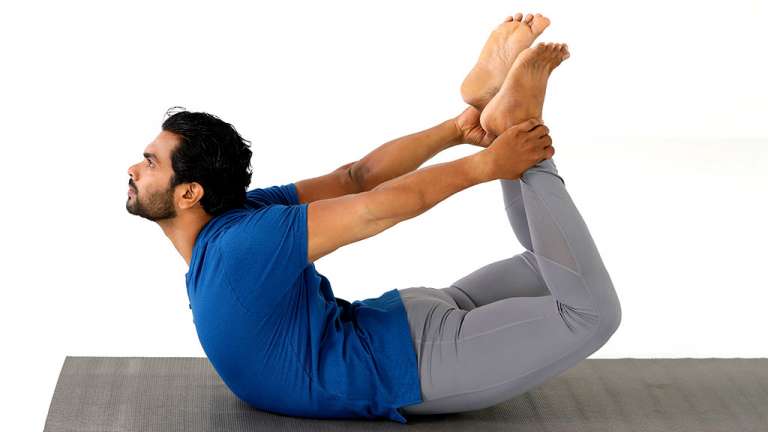
How Wearable Wellness Data Can Help Students Understand Hatha Yoga Benefits Technology has changed how people understand their health routines. Wearables now track sleep, heart rate, stress patterns, recovery and movement. For students practising hatha yoga, this data can offer useful insights into how slower, alignment-based practice supports wellbeing. The key is using data as a guide, not as the final measure of value. Hatha yoga benefits are not always dramatic in the way high-intensity workouts appear on fitness trackers. A class may not produce the highest calorie count or heart rate spike. Its value may appear in steadier breathing, better sleep, lower stress patterns, improved mobility and more body awareness. Wearables can help students notice some of these changes over time.
Why hatha yoga can be difficult to measure
Many fitness devices are designed around movement volume and intensity. They count steps, estimate calories and track heart rate zones. Hatha yoga is different. It may involve slower movement, posture holds, breath awareness and stillness. This does not mean the practice is less valuable. It simply means its benefits are broader than traditional fitness metrics. Students should not judge hatha yoga only by how intense the data looks after class.
Sleep data and evening practice
One area where wearables may be useful is sleep tracking. Students who practise hatha yoga regularly may notice changes in sleep quality, especially if classes help them reduce tension and calm the breath. The relationship may not be immediate every time. Sleep is affected by food, stress, screen use, caffeine and routine. However, tracking patterns over several weeks may help students see whether yoga supports better rest.
Stress and recovery metrics
Some wearables estimate stress or recovery through heart rate variability and related signals. While these readings are not perfect, they can help students become more aware of how the body responds to different routines. A student may notice that slower yoga days feel different from high-stress workdays. They may see that breath-focused practice helps them feel calmer in the evening. This awareness can encourage more consistent practice.
Wearable data may help students observe:
- Sleep quality trends
- Resting heart rate changes
- Stress pattern shifts
- Recovery after demanding workdays
- Consistency of movement habits
- The effect of evening practice on rest
These insights should be considered alongside how the body feels.
Breath awareness beyond the device
Wearables can provide numbers, but they cannot fully capture breath quality. Hatha yoga teaches students to feel the breath directly. They notice whether it is shallow, smooth, held or strained. This internal awareness is more important than any single reading. Technology can support reflection, but it should not replace the student’s ability to listen to the body.
Mobility progress that data may miss
Hatha yoga can improve mobility and posture awareness, but wearables may not measure these changes well. A student may feel less stiff after sitting, move more comfortably or stand with better alignment. These improvements are meaningful even if a device does not record them. Students can track mobility through personal notes, teacher feedback or simple observations. For example, they may notice improved comfort in forward folds or less shoulder tension after work.
Avoiding metric obsession
One risk of wearable technology is overtracking. Students may begin to judge every class by numbers. This can create pressure and reduce the mindful quality of yoga. Hatha yoga invites patience. Some benefits are subtle and cumulative. Students should use data to support curiosity, not self-criticism. If tracking creates stress, it may be better to reduce attention to numbers during practice periods.
Using data to support consistency
Wearables can help with habit formation by showing practice frequency and activity trends. Students may feel encouraged when they see consistent movement across the week. They may also notice when long workdays reduce movement and use that awareness to schedule classes. This is where technology can be helpful. It turns patterns into visible information, which can support better planning.
A balanced studio and tech relationship
A studio such as Yoga Edition can support students who use technology while keeping the focus on guided practice. The numbers may be useful, but the real experience happens through breath, alignment, teacher cues and body awareness. The best wellness approach combines external data with internal listening.
Understanding benefits through both data and feeling
Wearable wellness data can help students understand hatha yoga benefits, especially around sleep, stress and consistency. However, some of the most important benefits may be felt rather than measured. Better posture, calmer breathing and improved body awareness are not always fully captured by devices. Used wisely, technology can support the practice. It can help students notice patterns and stay consistent. But hatha yoga reminds them that wellbeing is not only a number. It is also how the body feels, moves and breathes through daily life.
